Posts where this video is embedded Show Respect Failing to respect one another negatively impacts the future for all of us We Are Not Enemies but Friends Finding understanding by conversing with those who think differentlyPeople: Arthur Brooks (1)Arthur C. Brooks American social scientistBooks: Arthur Brooks (4)Arthur C. Brooks American social scientistLove Your Enemies — Disagree Better, Continue reading Love Your Enemies — Say No to Contempt Arthur Brooks

In this book, Conflicted, Ian Leslie draws essential lessons on how to disagree well from world-class experts: interrogators, hostage negotiators, divorce mediators, diplomats, and addiction counselors. It tells inspiring stories of productive disagreements, from the invention of the airplane to the success of The Rolling Stones, and combines them with fascinating insights from the science Continue reading Conflicted: Why Arguments Are Tearing Us Apart and How They Can Bring Us Together by Ian Leslie (2021)

We don’t have a good word for engaging in a non-hostile disagreement with the shared aim of moving the participants towards a new understanding, better decision or new idea. Debate implies a competition with winners and losers. Argument comes tinged with animosity. Dialogue is too bland. Dialectic is too obscure. We talk about argument as if it is … | Ian Leslie Continue reading We Don’t Have a Good Word for Engaging in a Non-hostile Disagreement Ian Leslie
Imagine a culture where an argument is viewed as a dance, the participants are seen as performers, and the goal is to perform in a balanced and aesthetically pleasing way. In such a culture, people would view arguments differently, experience them differently, carry them out differently, and talk about them differently. But we would probably not view them as arguing at all: they would simply be … | George Lakoff and Mark Johnsen Continue reading Imagine a Culture Where an Argument Is Viewed as a Dance George Lakoff and Mark Johnsen
Productive disagreement depends on how people feel about each other. We spend a lot of time thinking about how to argue, and not enough on how to shape the relationship that will define how the engagement goes. It’s often said that in order to disagree well, people need to put emotions aside and think purely rationally, but this is a myth. … | Ian Leslie Continue reading Productive Disagreement Depends on How People Feel About Each Other Ian Leslie
Posts where this video is embedded Disagree Constructively How to disagree wellBooks: Julia Dhar (1)How to Disagree Productively and Find Common Ground Julia DharVideos: Julia Dhar (1)How to Disagree Productively and Find Common Ground Julia DharTags: constructive disagreement (17) | conversation (188) | curiosity (26) | Julia Dhar (2) Why We Hate Our Political Enemies — Continue reading How to Have Constructive Conversations Julia Dhar
Posts where this video is embedded Disagree Constructively How to disagree wellBooks: Julia Dhar (1)How to Have Constructive Conversations Julia DharVideos: Julia Dhar (1)How to Have Constructive Conversations Julia DharTags: constructive disagreement (17) | disagreement (12) | Julia Dhar (2) How to Have Constructive Conversations Love Your Enemies — Disagree Better, Not Less Google Web Search Continue reading How to Disagree Productively and Find Common Ground Julia Dhar
Posts where this video is embedded Disagree Constructively How to disagree wellPeople: Arthur Brooks (1)Arthur C. Brooks American social scientistBooks: Arthur Brooks (4)Arthur C. Brooks American social scientistLove Your Enemies — Say No to Contempt Arthur BrooksLove Your Enemies: How Decent People Can Save America From Our Culture of Contempt: Arthur C. Brooks (2019)Why We Hate Continue reading Love Your Enemies — Disagree Better, Not Less Arthur Brooks
Rule Omega | Jordan Greenhall, Daniel Schmachtenberger, and Jamie Wheal Give people the benefit of the doubt: When having a conversation with someone to make sense of a situation or discuss new ideas and they say something that you consider stupid, don’t tell them it’s a stupid idea but ask them to expand on their Continue reading Rule Omega Jordan Greenhall, Daniel Schmachtenberger, and Jamie Wheal (2019)
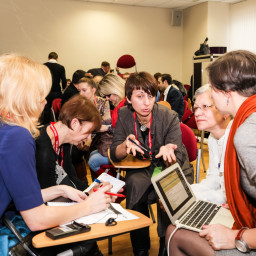
To have a productive conversation, participants must possess several conversational capacities. Continue reading Conversational Capacities Prerequisites to a good conversation

Differing viewpoints can lead to tension and misunderstandings in challenging conversations. A conversation covenant provides a structured approach to ensuring respectful and constructive dialogue. Establishing agreed-upon guidelines helps create a safe environment for discussing even the most difficult topics. Continue reading Conversation Covenant Creating a psychologically safer space for difficult conversations

To discredit someone means to cause them to lose people’s respect or trust. We acquire most of our knowledge by accepting the beliefs of those people or institutions we trust, so discrediting authority figures or institutions is one of the most effective, though immoral, ways of opposing an idea. In practicing Conversational Leadership, we should always strive to argue constructively against an … Continue reading Discrediting People ** Cause them to lose the respect or trust of others

Speak with Less Conviction Reduce Emailing and Texting ** Close Pop-up all posts in this chapter What’s the Vibe? Please be patient as this may take up to a minute to load… Close Disagree constructively: Disagreement is an inevitable part of life. Most of the time, we do it poorly. We need to learn to Continue reading Disagree Constructively How to disagree well
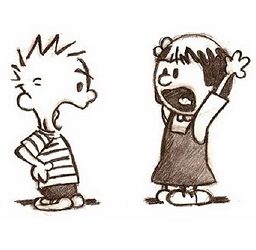
An impossible conversation may feel futile as it occurs between individuals who possess radically different ideas, beliefs, morals, politics, or worldviews. Such conversations are likely to lead to arguments and even physical altercations. So, how can we engage in impossible conversations? Continue reading Impossible Conversations Navigating conversations across ideological divides