In the book Oracy by Neil Mercer, spoken language is treated as a central medium for thinking, learning, and social participation, not as a secondary skill. The book argues that how people talk together shapes how they reason, make sense of experience, and develop understanding. Oracy is the ability to use spoken language effectively across Continue reading Oracy: the Transformative Power of Finding Your Voice by Neil Mercer

In education, considerable emphasis is placed on numeracy and literacy—the ability to understand and work with numbers and the ability to read and write. But what about the capacity to listen and to speak? Why is so little importance attached to oracy? | David Gurteen Continue reading Why Is So Little Importance Attached to Oracy? David Gurteen
Our research shows that when students learn how to use talk to reason together, they become better at reasoning on their own. | Neil Mercer Continue reading Using Talk to Reason Together Neil Mercer
Our spoken language allows us to do more than just share information — it enables us to think and reason together. | David Gurteen Continue reading Our Spoken Language Enables Us to Think Together David Gurteen
Oracy is the ability to speak persuasively, articulate thoughts and ideas clearly, listen powerfully to others, clarify our own ideas and understanding, influence each other through conversation, and express our views with confidence and humility. | David Gurteen Continue reading What Is Oracy? David Gurteen
Rhetoric is about far more than influencing people through speech. It is how we communicate effectively in our daily lives and, in addition to speech, can take the form of text, images, videos, or any other form of media. | David Gurteen Continue reading What Is Rhetoric? David Gurteen
The Oracy Lab is an experimental space for exploring the power and possibilities of spoken communication for conveying meaning and co-creating a deeper understanding of the complexity and dynamics of the world. | David Gurteen Continue reading What Is an Oracy Lab? David Gurteen

Conversations shape how we understand and adapt to change. When dialogue is restricted by rigid goals or constrained by fixed plans and schedules, creativity, and insight are often lost. By embracing a flexible, direction-focused approach and allowing the process to unfold naturally, conversations can become dynamic and responsive, leading to richer insights and more innovative outcomes. Continue reading The Vector of Great Conversations A parallel between the vector theory of change and conversational leadership
Numerous words or phrases describe the varied forms of conversation and speech. This page lists some of the more common ones in alphabetic order. Continue reading The Language of Conversation and Speech Meanings of words describing conversation and speech

Traditional lectures often fail to engage students in real understanding. People need more than just information—they need to make sense of it through discussion. Peer Instruction helps by encouraging learners to explain ideas to each other, leading to deeper learning and better retention. Continue reading The Power of Peer Instruction Why explaining ideas to others leads to deeper learning
Introduction: Conversational Leadership Skills Conversational Self-awareness Close Pop-up all posts in this chapter What’s the Vibe? Please be patient as this may take up to a minute to load… Close Without oracy skills, we would struggle to communicate our ideas and opinions, leading to challenges in personal and professional settings. This can include difficulty building Continue reading Oracy Is a Core Conversational Leadership Skill Communicating effectively in spoken language

Before the widespread use of writing, oral communication was the primary method of sharing knowledge and culture in society. This oral tradition is called orality. Continue reading Orality ** The practice of transmitting knowledge, culture, and traditions through spoken language
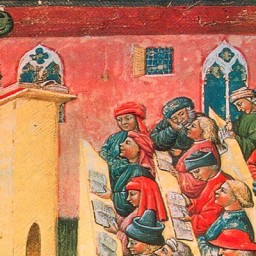
Dialogic Organization Development The Power of Team Huddles Close Pop-up all posts in this chapter What’s the Vibe? Please be patient as this may take up to a minute to load… Close Flipped teaching reverses, or “flips”, traditional in-class lectures and homework. Students watch the teacher’s prerecorded lecture at home, and in-class time is used Continue reading Flipped Teaching Speech is a bad medium for communicating information – so watch lectures at home
The Power of Team Huddles Ongoing Performance Conversations Close Pop-up all posts in this chapter What’s the Vibe? Please be patient as this may take up to a minute to load… Close The Oracy Lab is an experimental space for exploring the power and possibilities of conversations and spoken communication for conveying meaning and co-creating Continue reading The Oracy Lab An experimental space for exploring the power and possibilities of conversations

Schools rightly prioritise numeracy and literacy as the core foundations of learning. Yet listening and speaking, the capacities that shape how we think together, receive far less attention and are rarely examined. Oracy deserves equal standing alongside reasoning, understanding, and meaningful human connection. Continue reading Oracy The ability to express oneself in and understand spoken language

Rhetoric is often construed as insincere or meaningless language that sounds clever. This is an unduly negative perspective. Rhetoric is a critical cognitive and communication skill. Continue reading Rediscovering Rhetoric Rethinking how we influence and communicate every day

On the face of it, rhetoric and oracy would seem the same, but although they have much in common, they have some significant differences. Continue reading What Is the Difference Between Rhetoric and Oracy? Rhetoric is monologue, oracy is dialogue