If space can improve how we communicate, that is fundamentally what improves performance and what makes the company money. The workplace is really not about cost. It’s an investment in communication. | Ben Waber Continue reading The Workplace Is an Investment in Communication Ben Waber
If a building doesn’t encourage [collaboration], you’ll lose a lot of innovation and the magic that’s sparked by serendipity. So we designed the building to make people get out of their offices and mingle in the central atrium with people they might not otherwise see. | Steve Jobs Continue reading Buildings to Encourage Collaboration Steve Jobs

Learning occurs through the meeting of diverse voices and perspectives. Too often, difference is treated as a problem to be managed or erased. Seen differently, it becomes the very space where thinking expands, new meaning emerges, and possibilities grow beyond what any single perspective could achieve on its own. Continue reading Dialogic Space Seeing learning as a shared space of many perspectives

Innovation rarely emerges from rigid structures or top-down plans. When conversation is missing, ideas struggle to surface, connect, or grow. Creating spaces for open, honest dialogue allows new thinking to arise naturally and collectively. Continue reading Introduction: Innovation The introduction of something new
When we talk, we do so within a field that shapes tone, meaning, and what feels possible. This field is rarely noticed, yet it limits what can be said and how it is heard. Noticing and tending the field changes conversations, opening space for thinking, honest speech, and shared understanding. Continue reading The Relational Field How relationships shape what we say and hear

Walking Conversations ** The Watercooler Effect Close Pop-up all posts in this chapter What’s the Vibe? Please be patient as this may take up to a minute to load… Close People are more productive when they’re alone … but they’re more collaborative and innovative when they’re together. Some of the best ideas come from pulling Continue reading Introduction: Conversational Environments ** Designing places and spaces for good conversations

People have gathered around campfires and in countless other places to talk and share ideas. Over time these gatherings evolved into coffeehouses, salons, and clubs. The ability to create such conversational spaces is not confined to history; anyone can shape their own place for dialogue, connection, and shared understanding today. Continue reading Introduction: Conversational Spaces Meeting places for conversations

The London coffeehouses of the 17th and 18th centuries were the engines of creation that helped drive the Enlightenment, the European intellectual movement that emphasized reason and individualism rather than tradition. Their history is a fascinating one. Continue reading The London Coffeehouses of the Enlightenment Centers of Enlightenment thinking
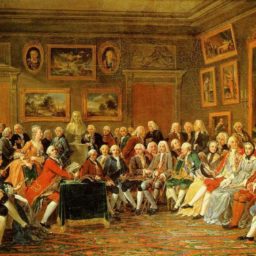
In 17th- and 18th-century Europe, salons became lively centres of conversation and exchange. Yet their deeper significance is often overlooked beyond their reputation for refinement and manners. By revisiting these gatherings, we can see how they shaped ideas, relationships, and the public life that helped define the Enlightenment. Continue reading Salons A gathering of people under the roof of an inspiring host
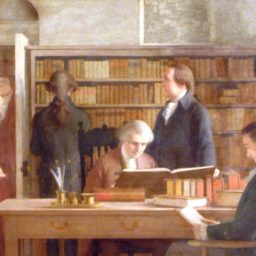
Benjamin Franklin founded the Junto Club almost 300 years ago, recognizing the value of conversation and the importance of cognitive diversity in convening innovative conversations. Continue reading Benjamin Franklin’s Junto Club Benjamin Franklin founded the Junto Club – a conversational society in 1727

Knowledge Café: Microphones Knowledge Café: Choosing the Venue Close Pop-up all posts in this chapter What’s the Vibe? Please be patient as this may take up to a minute to load… Close You should choose the physical space in which a Knowledge Café is held with great care, taking the following aspects should be taken Continue reading Introduction: Knowledge Café Space The physical space is important
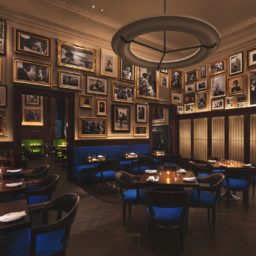
During the 17th and 18th centuries, Britain witnessed the rise of various gentlemen’s clubs, which served as hubs for intellectual discourse, socializing, and the exchange of ideas. These clubs played a significant role in shaping the intellectual and cultural landscape of the time. Continue reading British Gentlemen’s Clubs Of the 17th and 18th Centuries