We don’t have a good word for engaging in a non-hostile disagreement with the shared aim of moving the participants towards a new understanding, better decision or new idea. Debate implies a competition with winners and losers. Argument comes tinged with animosity. Dialogue is too bland. Dialectic is too obscure. We talk about argument as if it is … | Ian Leslie Continue reading We Don’t Have a Good Word for Engaging in a Non-hostile Disagreement Ian Leslie

Numerous words or phrases describe the varied forms of conversation and speech. This page lists some of the more common ones in alphabetic order. Continue reading The Language of Conversation and Speech Meanings of words describing conversation and speech

Thinking doesn’t happen only in solitude. It comes alive in conversation, especially when we face tension, contradiction, or competing truths. In times like these, we need to learn how to think with each other, not just talk at or past each other. Continue reading Dialectical Thinking Practicing dialectical thinking in complex times

Conversations during the time of the ancient Greeks held a significant place in the fabric of their society, serving as a cornerstone in the development of philosophy, democracy, and the arts. Continue reading Conversation in Ancient Greek Society ** Socrates, Plato and Aristotle
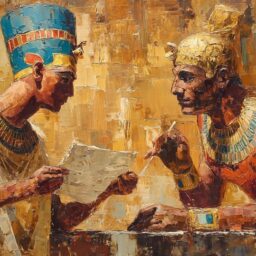
In Plato’s Phaedrus, Socrates shares the myth of Thamus and Theuth, questioning the invention of writing. Writing, he argues, weakens memory and offers the appearance of wisdom without true understanding. Socrates suggests that serious discourse using the dialectic method is a nobler pursuit, leading to genuine wisdom and happiness. Continue reading The Myth of Thamus and Theuth Does writing allow the pretense of understanding, rather than true understanding?